Why a Long-Term Creative Partner Produces Better Brand Work
A long-term creative partner produces better work because they don’t have to relearn your brand with every project. The brief still matters, but the conversation starts further ahead.
Moodboards are often perceived as simple collages of inspiring images.
Moodboards are often perceived as simple collages of inspiring images. However, in a branding process, they play a much more strategic role. They allow for defining a clear visual direction, aligning teams, and creating a coherent foundation even before the start of graphic creation.
When well-constructed, a moodboard becomes a true creative compass. It helps translate a vision, values, and positioning into a tangible and coherent visual universe.
Here are 4 tips for using moodboards more strategically in your branding process.

The moodboard should not arrive at the end of the creative process. It must be thought out from the very first steps of the project.
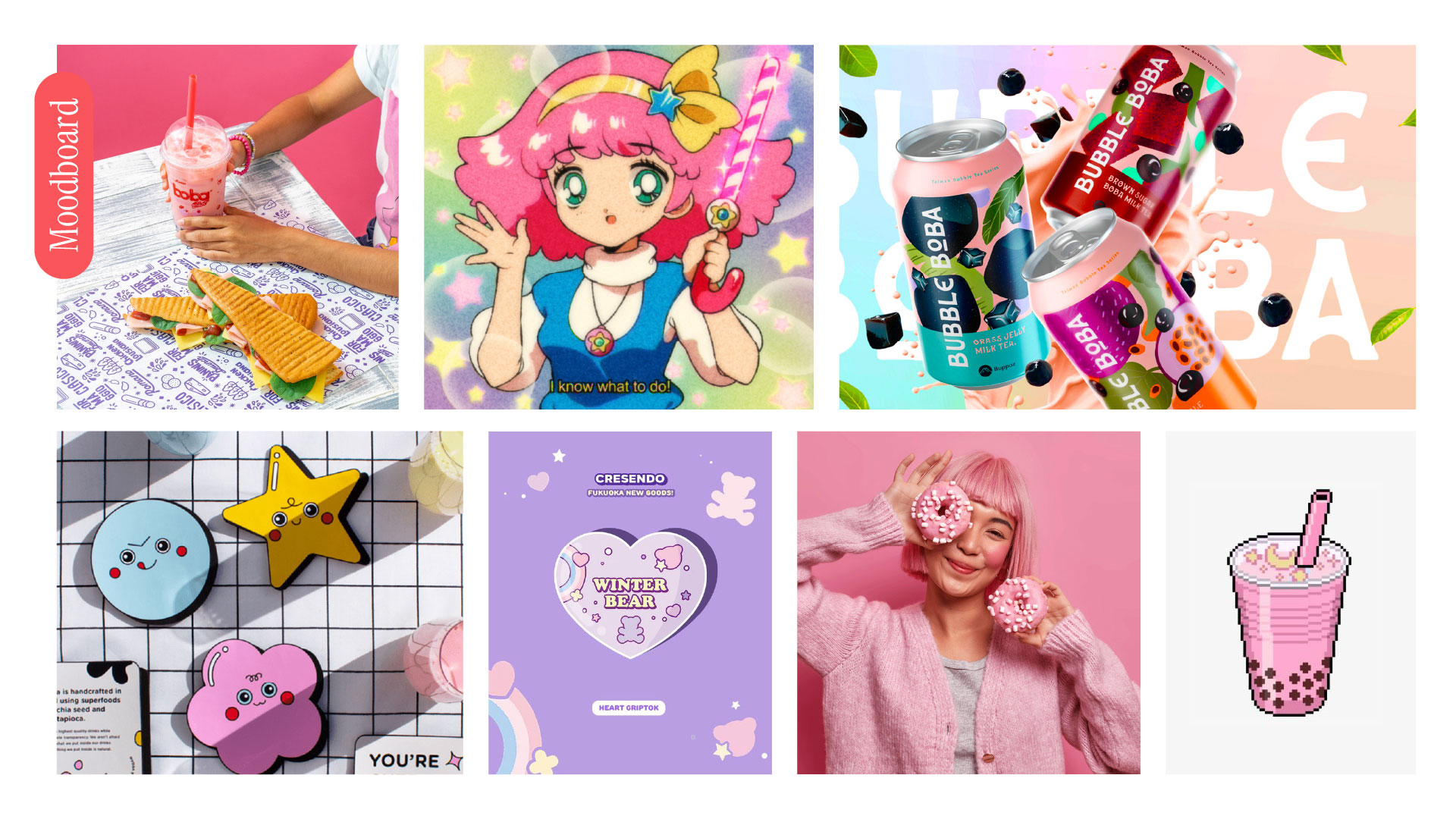
Even before designing a logo or a website, take the time to gather visual inspirations related to your brand: colors, typographies, textures, photographs, graphic references, or aesthetic universes.
All these inspirations must be connected to your positioning, your market, and the personality your brand wishes to project. The moodboard then becomes a strategic foundation that will guide all creative decisions thereafter.
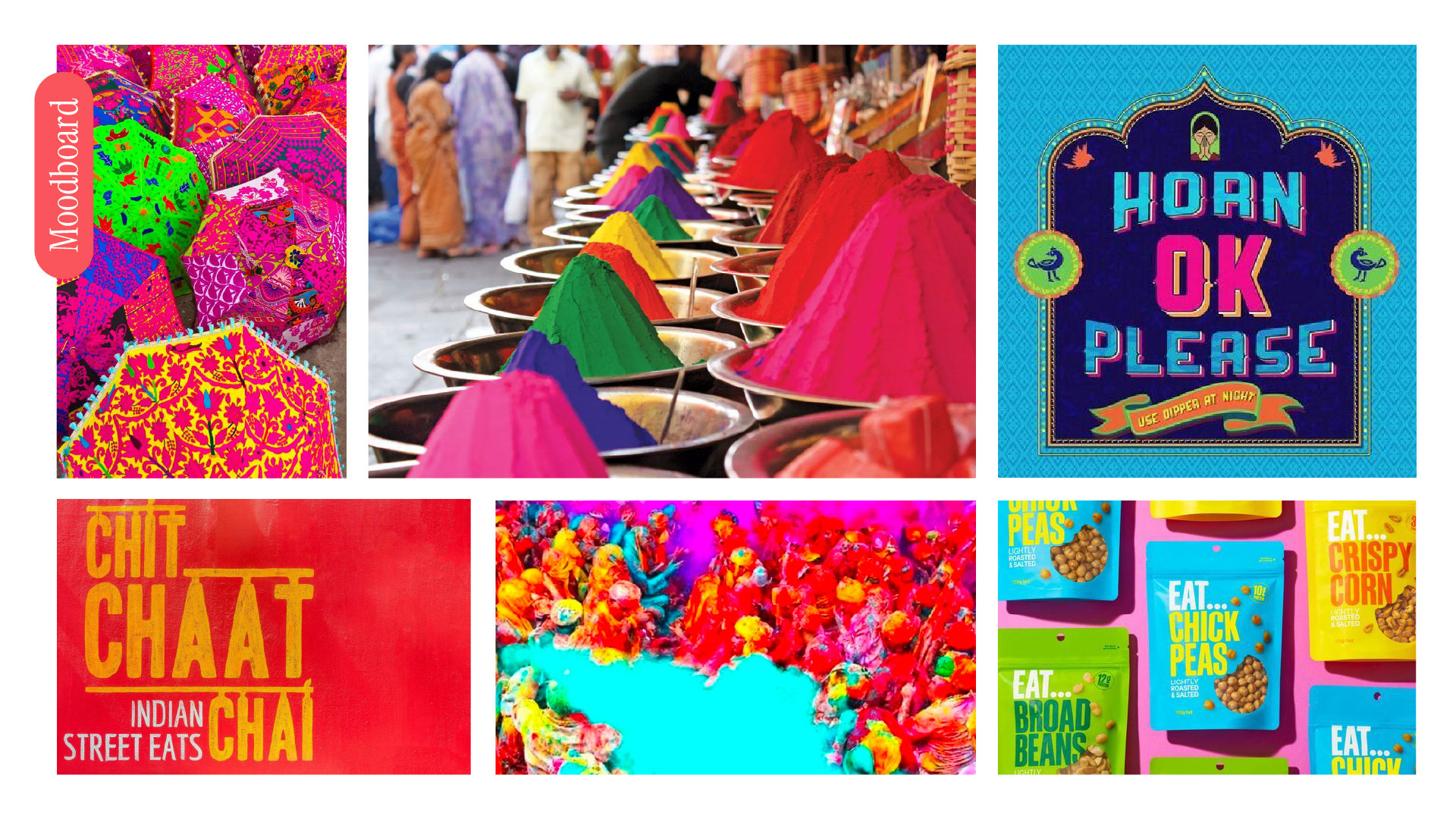
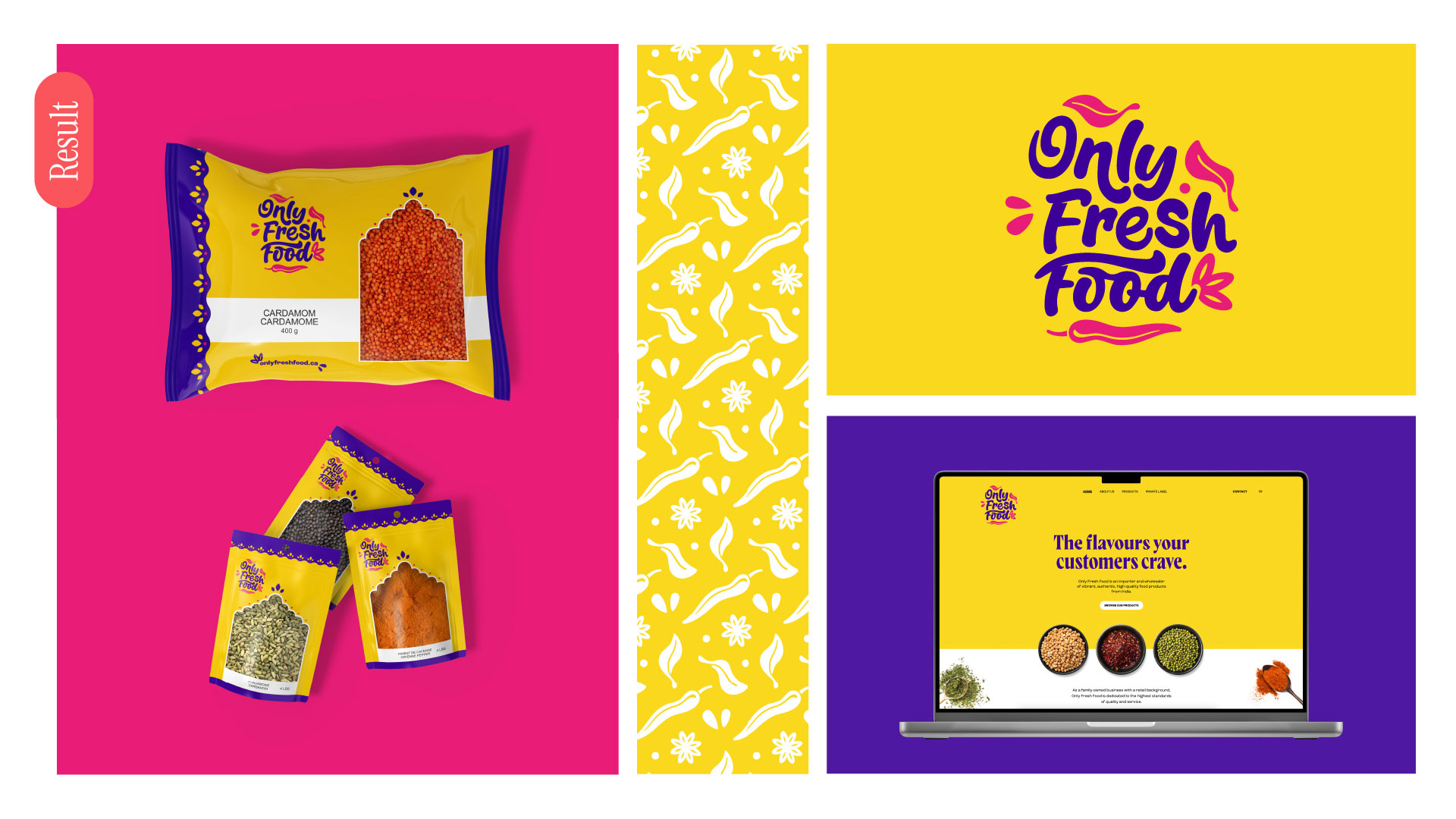
A good moodboard does not simply consist of reproducing what is popular on Pinterest or Instagram.
It must primarily reflect:
Trends change quickly. A visual identity built solely around a fad risks losing its relevance over time. Conversely, a visual direction based on deeper reflection will allow your brand to be more coherent, more distinctive, and more durable.
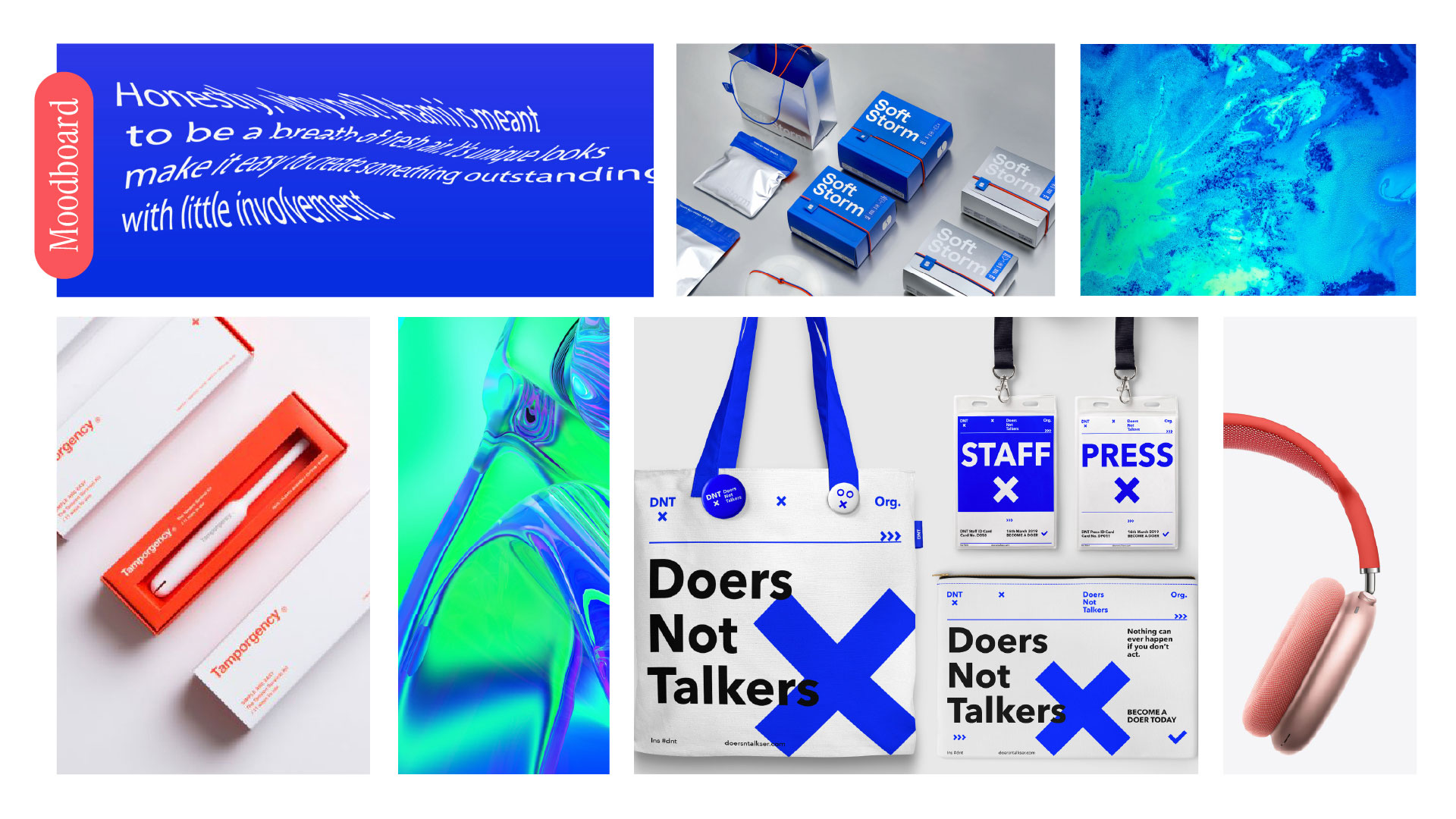
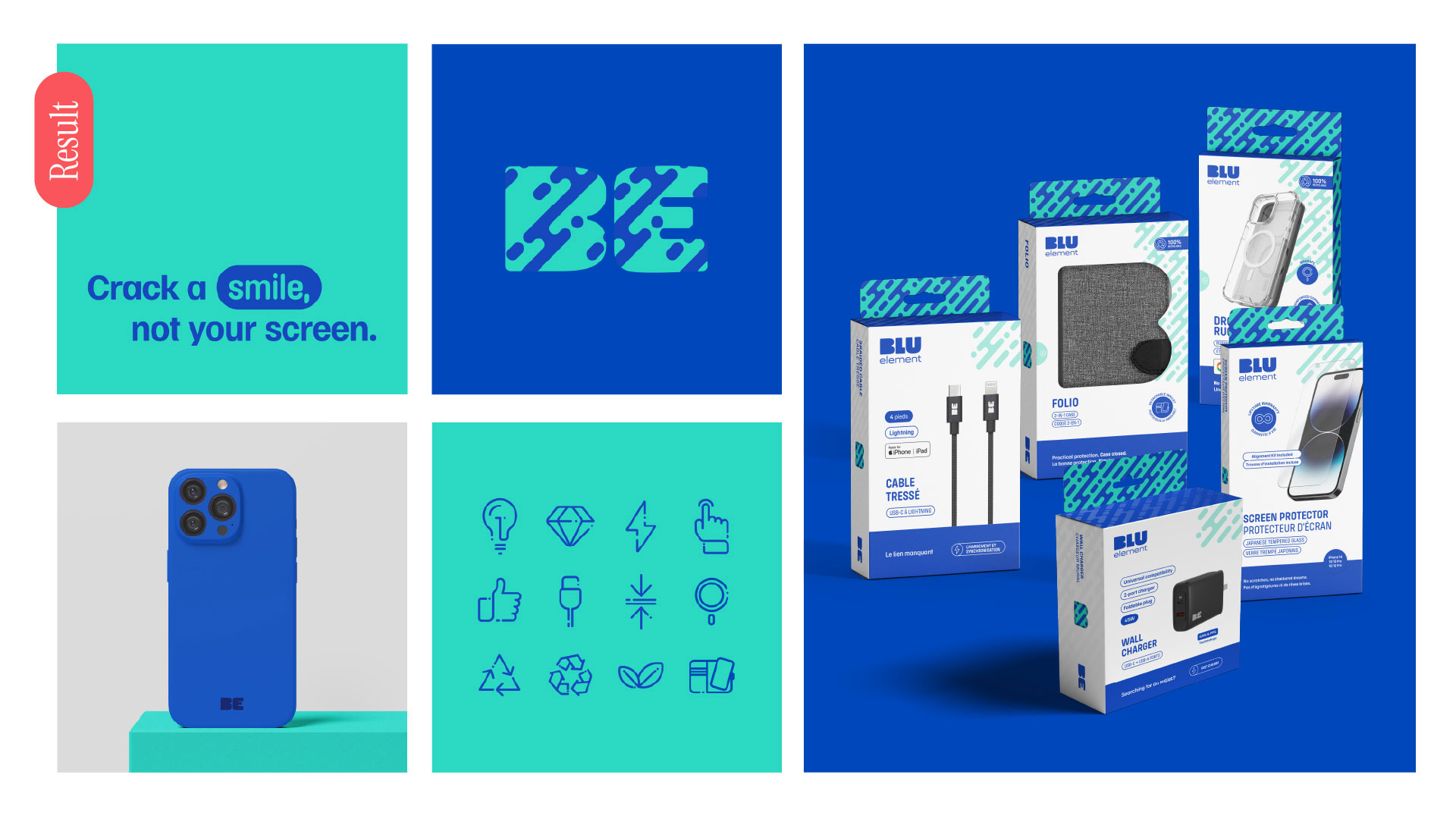
Once the visual direction is approved, the moodboard must become a reference for the entire project.
The logo, website, social media, packaging, and all other materials must reflect the same “look & feel.” This visual coherence creates a stronger and more recognizable brand experience.
The moodboard acts as a common thread that helps maintain visual unity throughout the creative process.
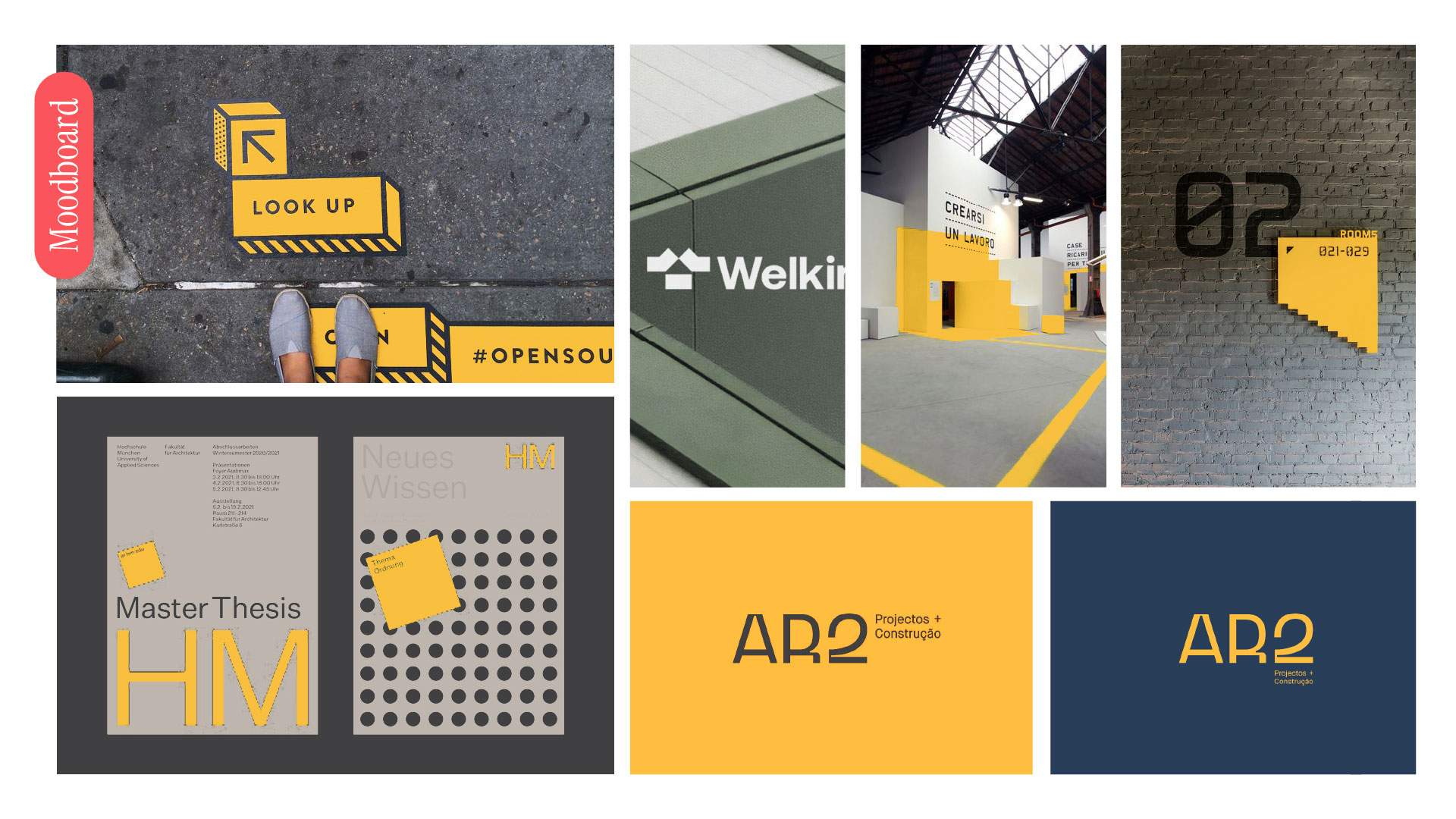
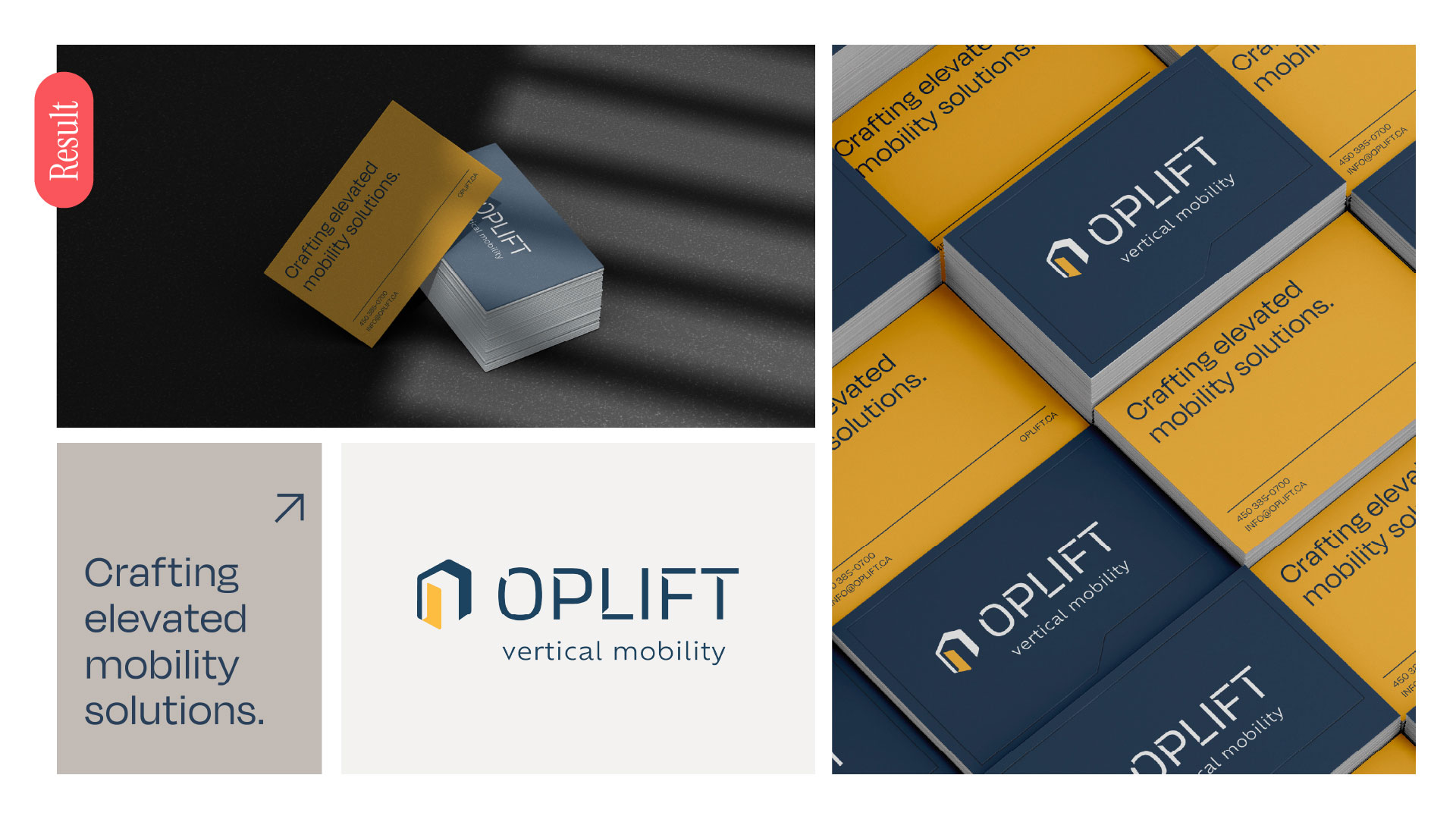
The moodboard is also an excellent tool for exchange between the client, the agency, and the designers.
It allows for validating a visual direction before final production, clarifying expectations, and opening discussions earlier in the process. This step often helps avoid misunderstandings and reduces unnecessary back-and-forth during creation.
The clearer the exchanges are from the start, the more fluid and coherent the project becomes.
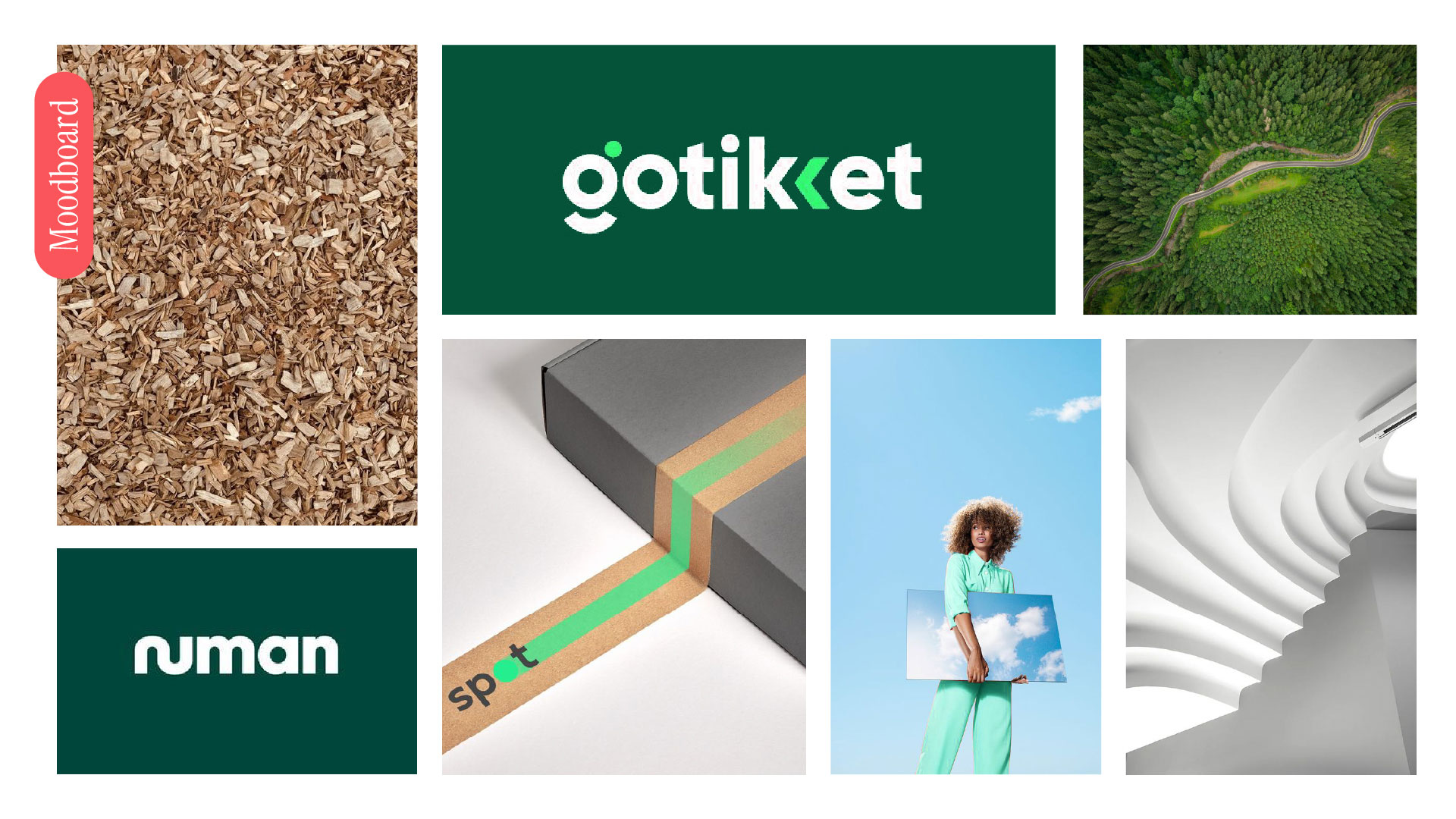
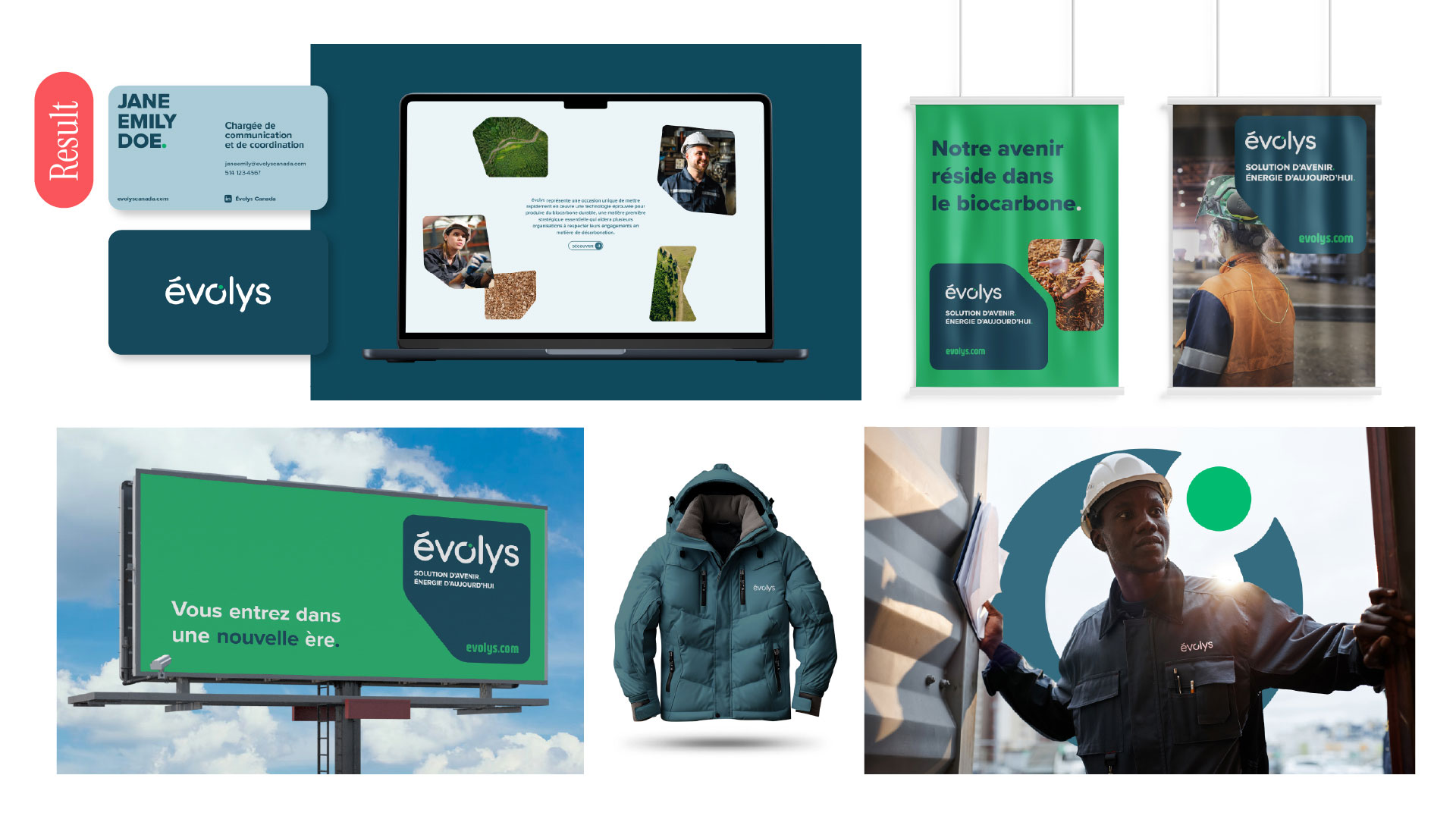
The moodboard is not a static document. It can evolve with your brand and continue to serve as a reference for your future visual developments.
Over time, it becomes a valuable tool for maintaining the coherence of your identity and guiding the evolution of your graphic universe without losing your essence.
The moodboard is much more than an inspiration step. It is a true strategic tool that aligns vision, creative direction, and brand coherence from the start of a project.
At Design Grafico, we integrate the moodboard into every branding process to build coherent, human, and durable visual identities. Because a strong brand always starts with a clear vision.
A long-term creative partner produces better work because they don’t have to relearn your brand with every project. The brief still matters, but the conversation starts further ahead.
Brand consistency doesn’t mean making everything look the same. It means people recognize your brand even when the layout, format or message changes.
Every few years, design is declared finished. A new tool arrives, production becomes faster, and the conclusion follows almost automatically: if more people can make the thing, perhaps the designer is no longer necessary.