
5 Reflections to Better Understand Budget Logic in Design and Branding
There is one question that comes up almost at the beginning of every project: “How much does it cost?”
A brand guidelines document is much more than just a technical document.
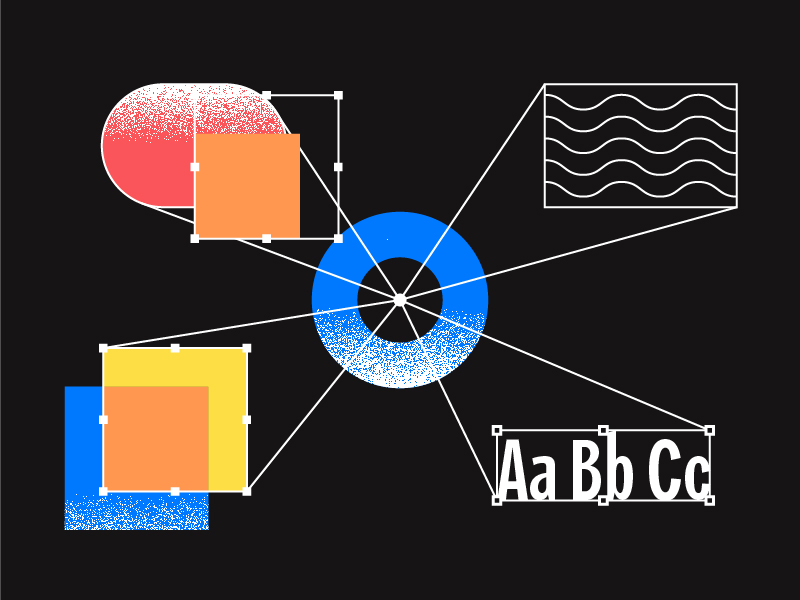
A brand guidelines document is much more than just a technical document. It’s the framework that allows your brand to remain consistent, recognizable, and professional across all its touchpoints.
It defines the visual rules that govern the use of your identity: logo, colors, typography, iconography, visual style, and applications. A well-constructed brand guidelines document helps maintain a strong and consistent image, regardless of the medium or the person creating the content.
Here are 4 tips for creating and implementing an effective brand guidelines document.
Before writing a brand guidelines document, it’s essential to clarify the fundamental elements of your visual identity.
This includes:
All these elements must work together to create a consistent and easily recognizable image.
A strong visual identity always begins with clear and well-structured foundations.
A style guide should clearly explain how and how not to use your brand elements.
For example:
These rules help avoid visual inconsistencies and protect the integrity of your brand identity.
The simpler and clearer the guidelines, the easier they will be to apply on a daily basis.
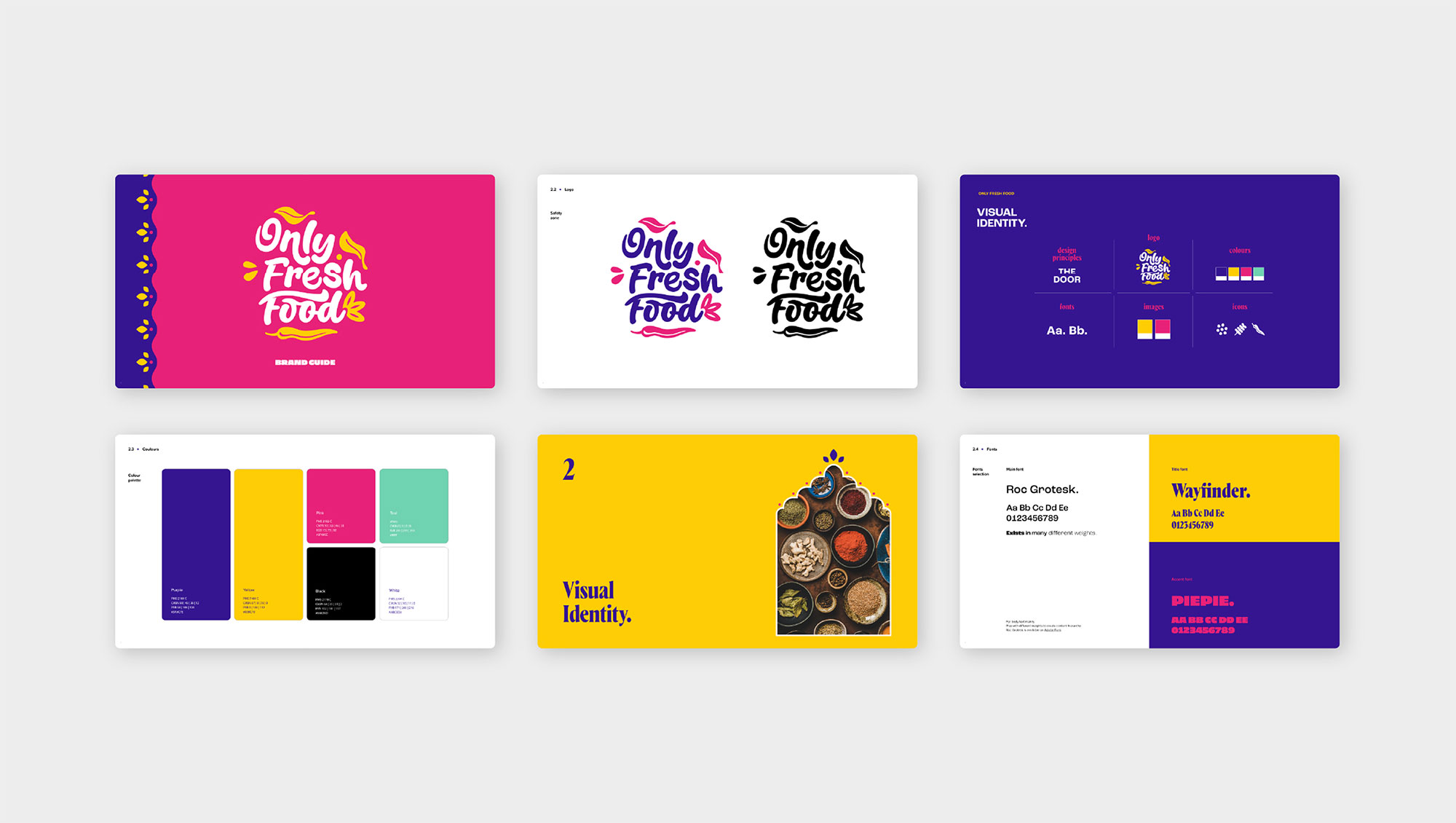
Your website, social media, presentations, packaging, and printed materials must all adhere to the same visual direction.
This consistency improves brand recognition, strengthens credibility, and creates a more professional experience for your audience. A consistent brand naturally inspires more trust.
A style guide is useless if it remains unused.
It must be easily accessible to everyone who works with your brand:
Also, take the time to explain how it works and the importance of respecting visual standards. A good understanding facilitates application and reduces errors over time.
Your brand will evolve over time, and your style guide must be able to evolve as well.
It is important to:
A living style guide allows your brand to remain current without losing its structure.
An effective brand identity allows you to build a more consistent, stronger, and more lasting brand image across all your communication materials.
At Design Grafico, we support businesses in Montreal and beyond in creating clear, strategic, and easy-to-implement brand identity guidelines. Because a strong brand relies as much on its creativity as on its consistency.
There is one question that comes up almost at the beginning of every project: “How much does it cost?”
Your website is much more than just a storefront: it’s the heart of your online presence.
When a brand starts to feel less current or less coherent, the first instinct is often the same: change the logo.